The Ultimate Luxury Guide to Hanoi
An elegant, locally informed luxury guide to Hanoi, including the best areas, hotels, dining, private experiences and a seamless itinerary.
Why Visit
Hanoi rewards attention. Its beauty is not presented all at once; it appears in a courtyard glimpsed through an old gate, the sound of a temple bell beneath traffic, the precise bittersweet taste of an egg coffee and the faded grandeur of a villa at dusk. For the luxury traveler, the city is at its best when explored privately and slowly, with enough structure to unlock its history, but enough freedom to follow curiosity.
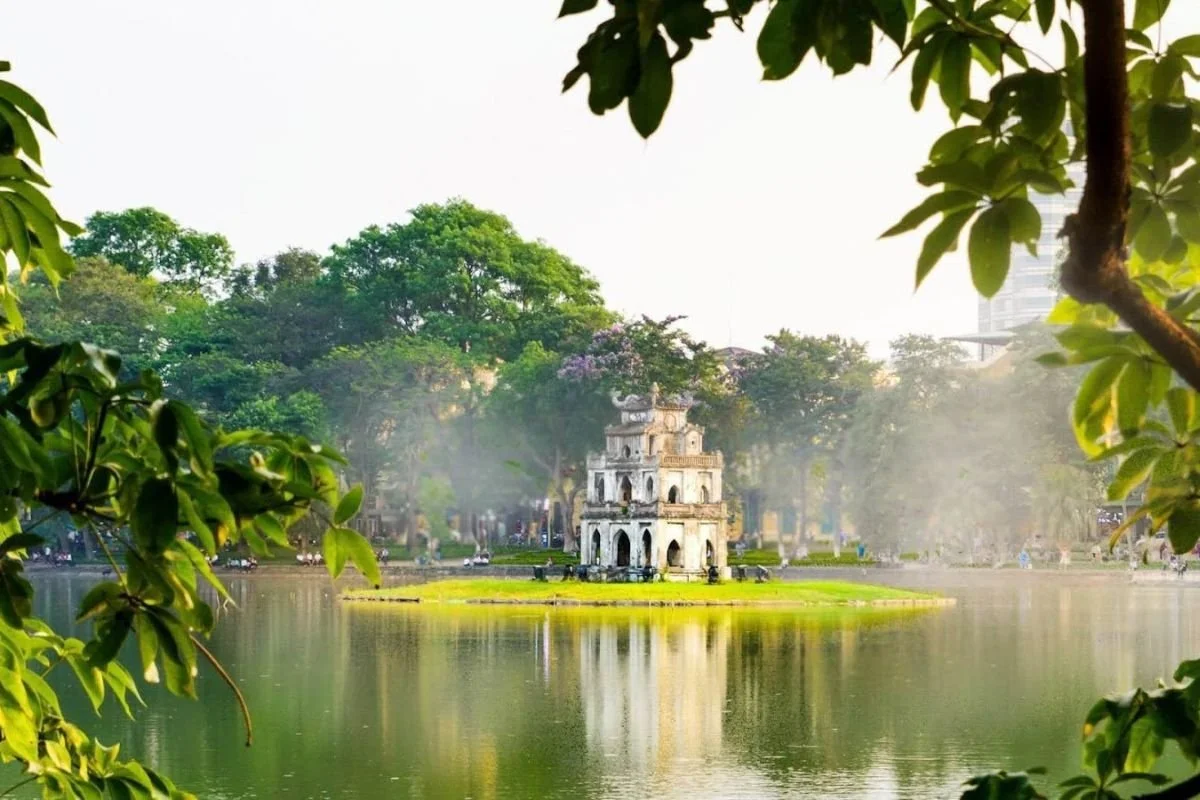
Hoan Kiem Lake
Who It Suits
Hanoi suits first-time visitors, food lovers, architecture enthusiasts, history-minded travelers and anyone who prefers cities with texture over cities that feel overly polished. Couples will find it romantic in a quiet, cinematic way. Families can enjoy it too, although the traffic and narrow pavements require thoughtful planning.
At A Glance
Best time to go
October to April, with October and November especially lovely
Ideal stay
Three to four nights
Best areas to stay
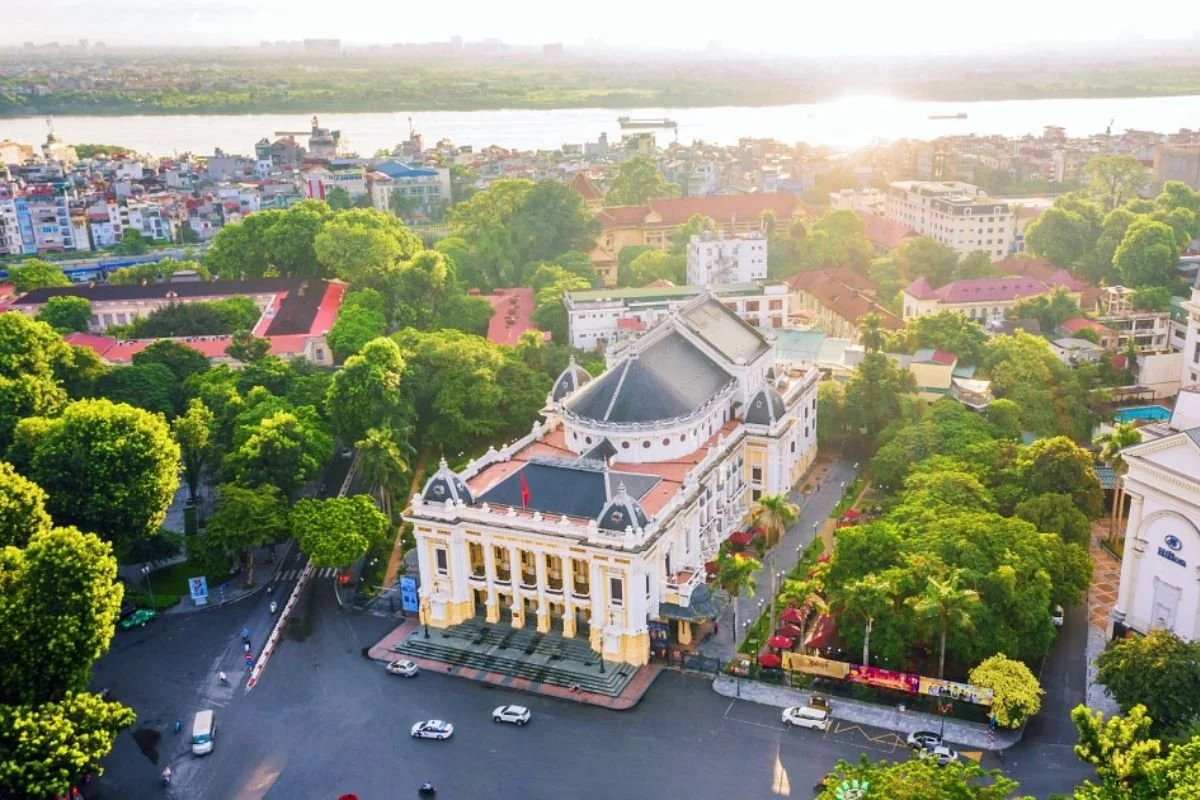
The French Quarter for elegance, walkability and landmark hotels
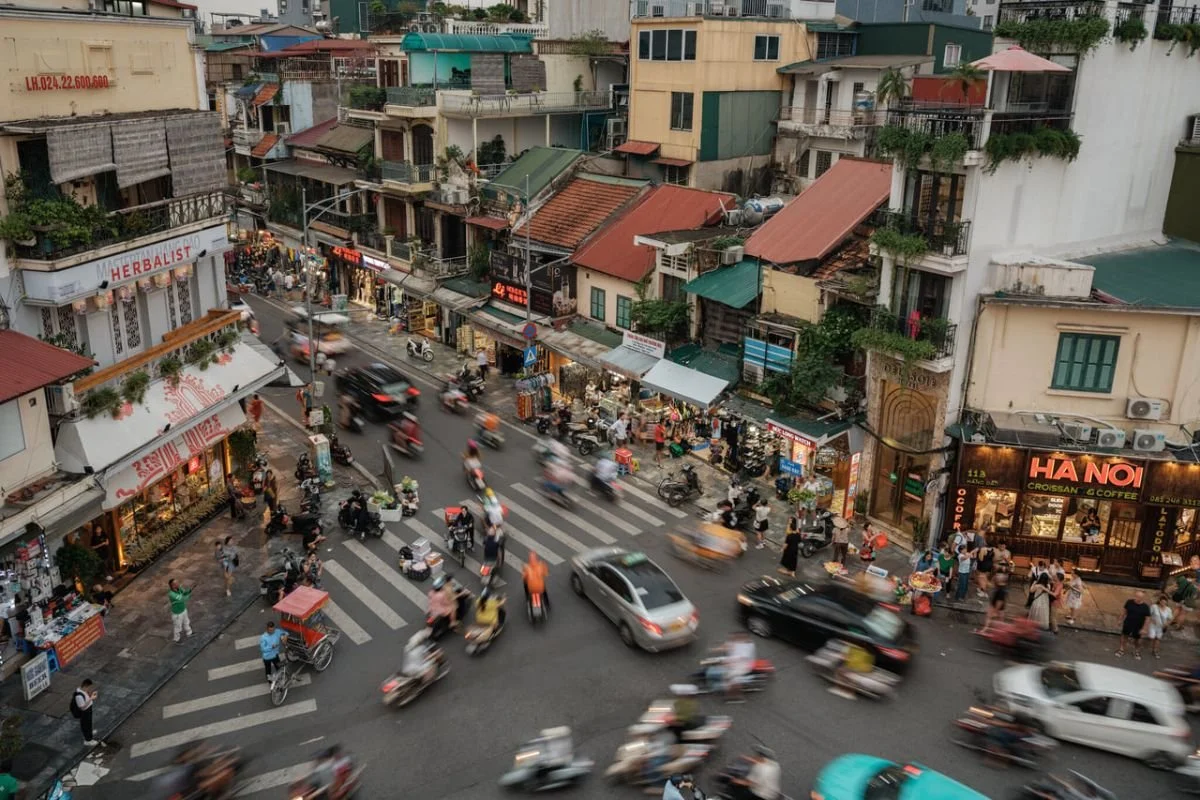
The Old Quarter for atmosphere and immediate street life
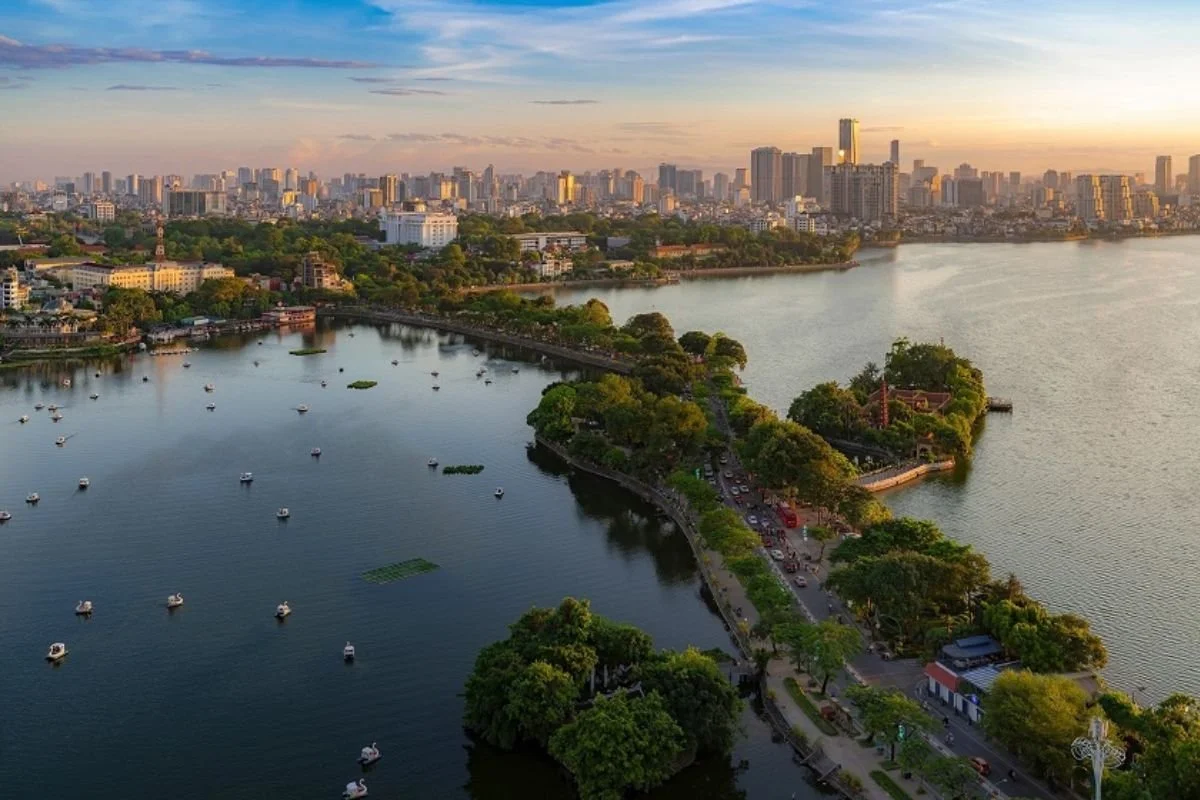
West Lake for space, calm and longer stays
Ba Dinh for museums, gardens and a more residential rhythm
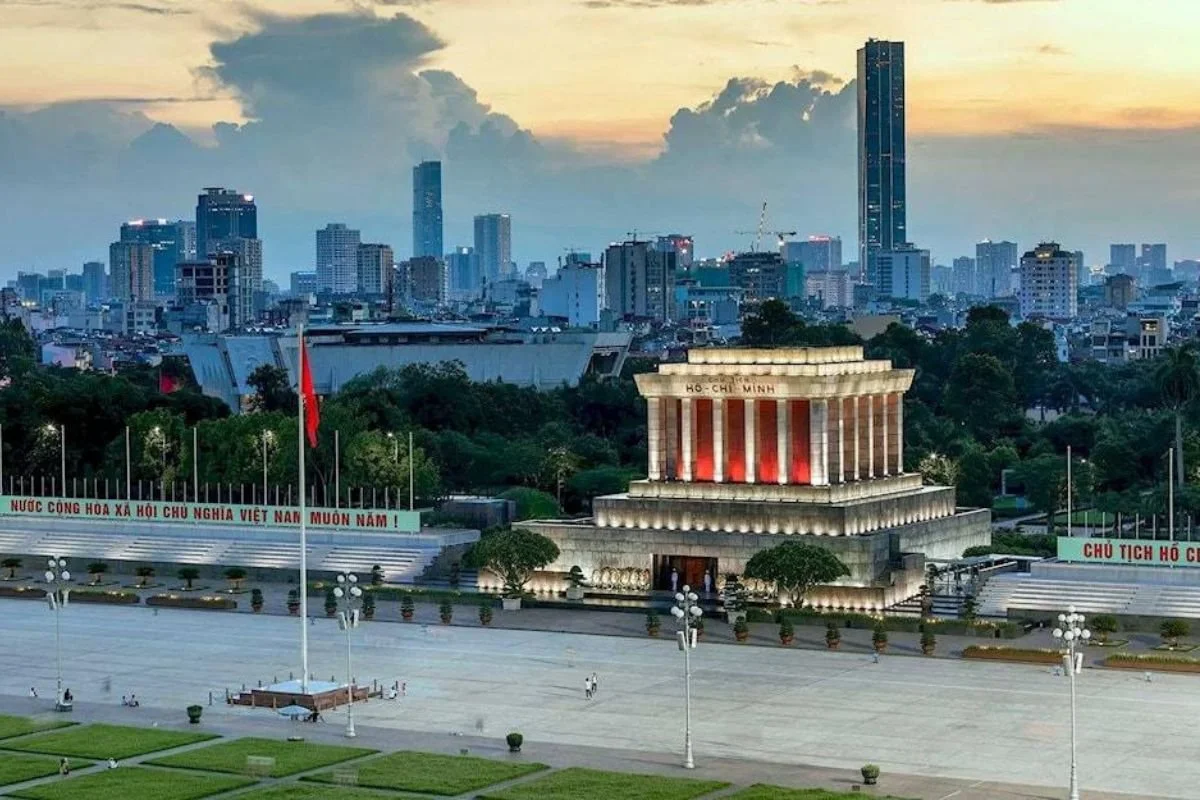
Luxury Hotels in Hanoi
Sofitel Legend Metropole Hanoi remains the city’s great historic address, especially for travelers drawn to heritage, ceremony and a central French Quarter setting.
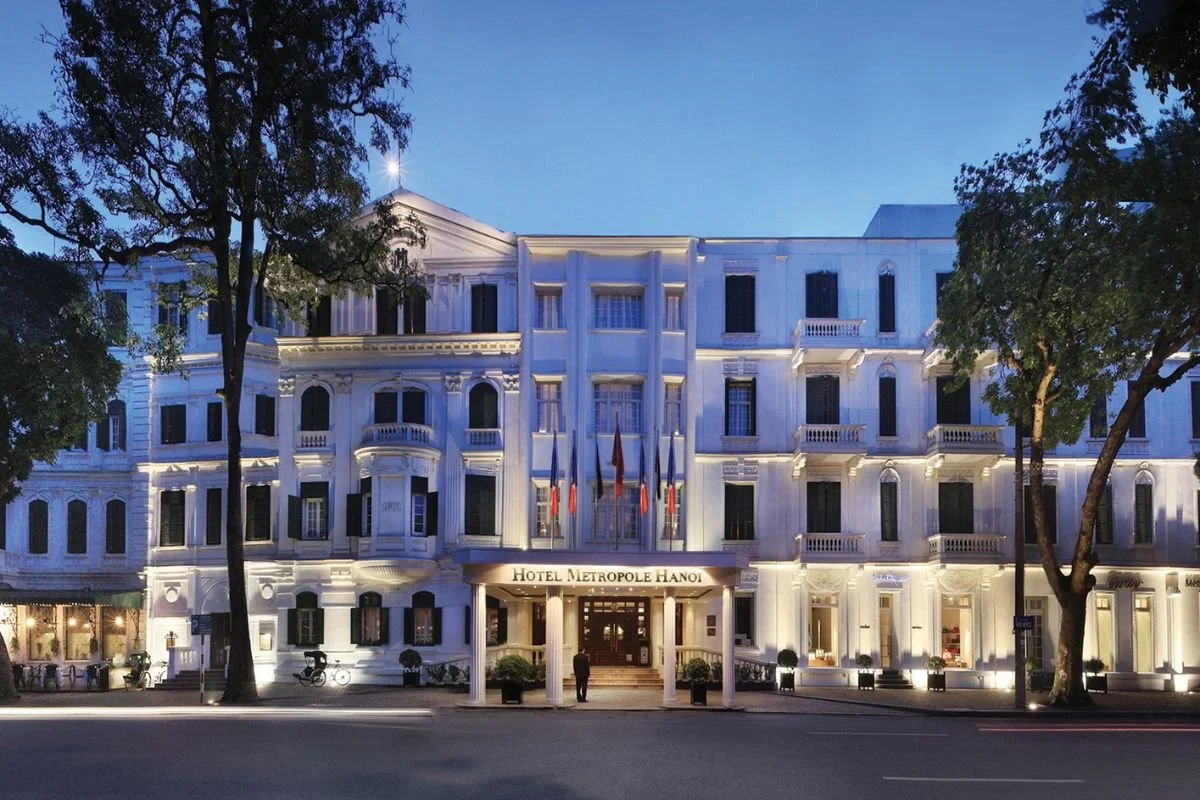
Sofitel Legend Metropole Hanoi
Capella Hanoi is the more theatrical design choice, with a strong culinary identity.
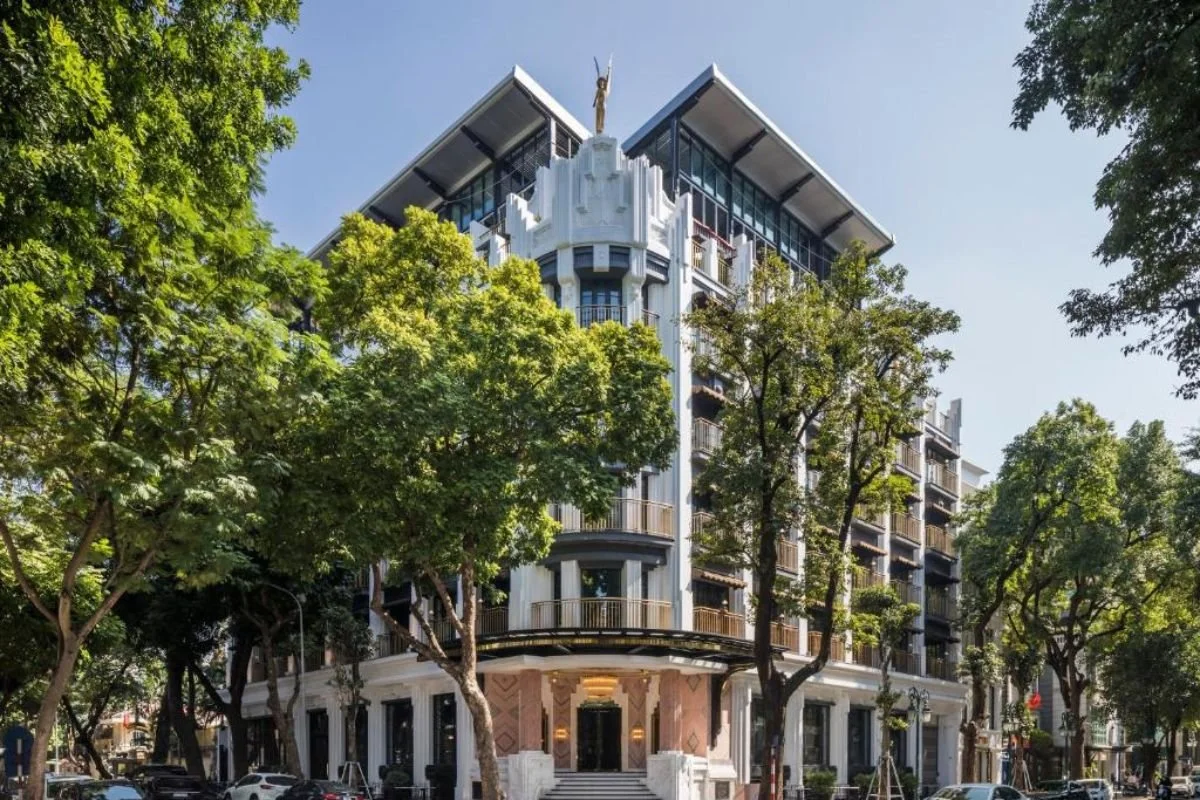
Capella Hanoi
InterContinental Hanoi West Lake offers space and water views away from the busiest streets.
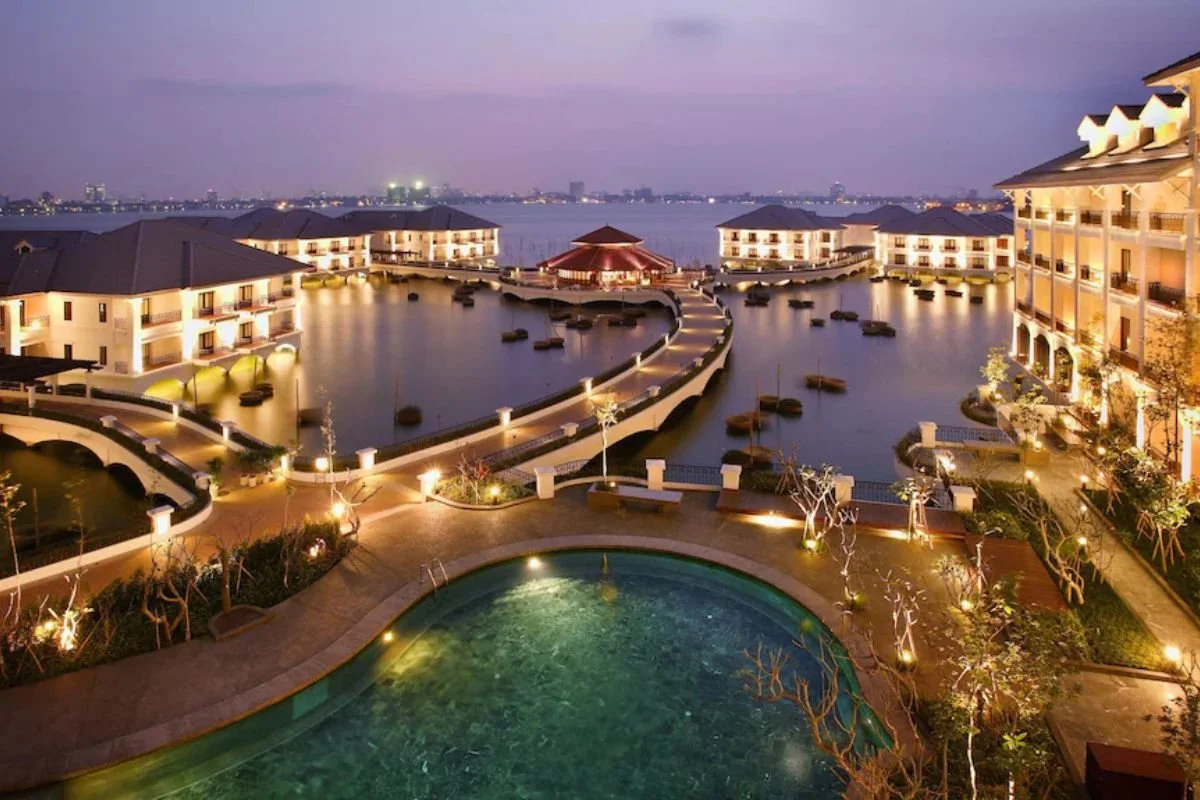
InterContinental Hanoi West Lake
Fairmont Hanoi is a stylish contemporary hotel offering refined luxury and effortless access to Hanoi’s cultural heart.

Fairmont Hanoi
Signature Experiences
Arrange an early-morning walk around Hoan Kiem Lake before the streets become busy, followed by a private visit focused on Vietnamese art, architecture or wartime history. Explore the Old Quarter with a specialist rather than a generic checklist, then contrast it with the French Quarter’s villas and civic buildings. A private water-puppet or traditional-music introduction, a chef-led market visit and an after-hours look at contemporary art can add depth without making the itinerary feel crowded.
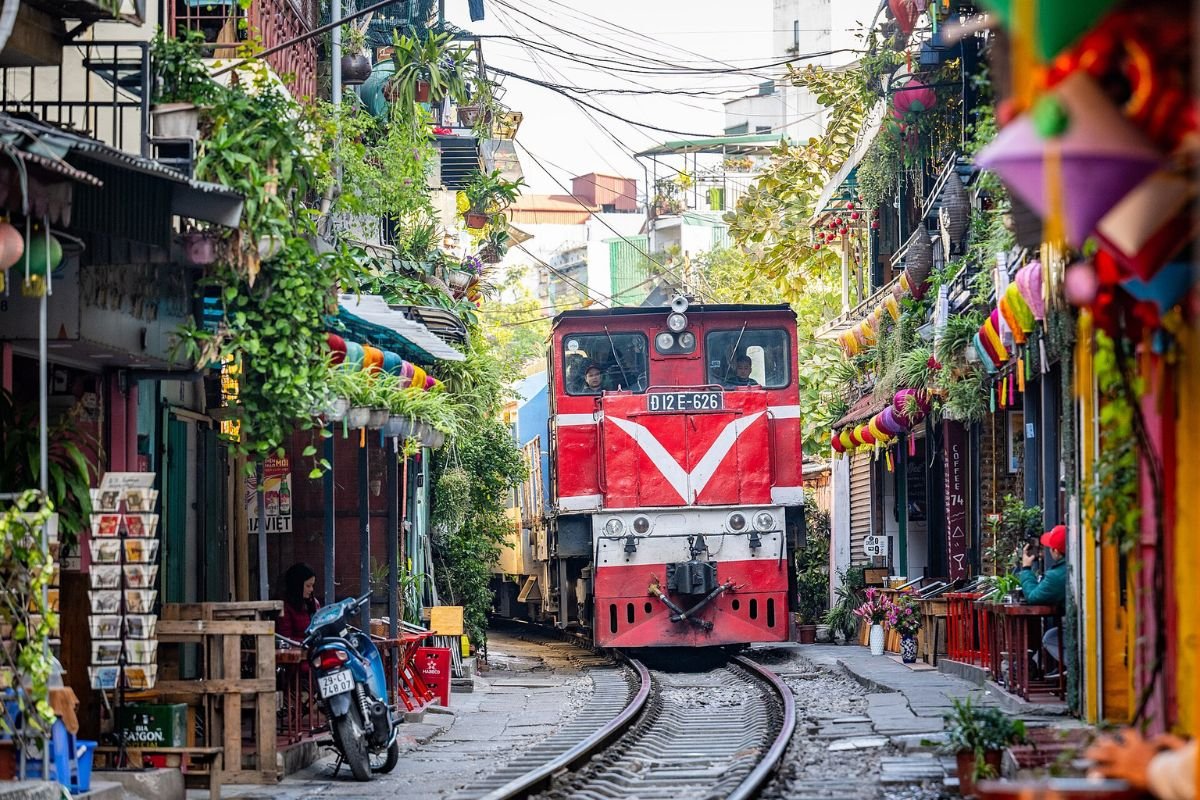
Train Street
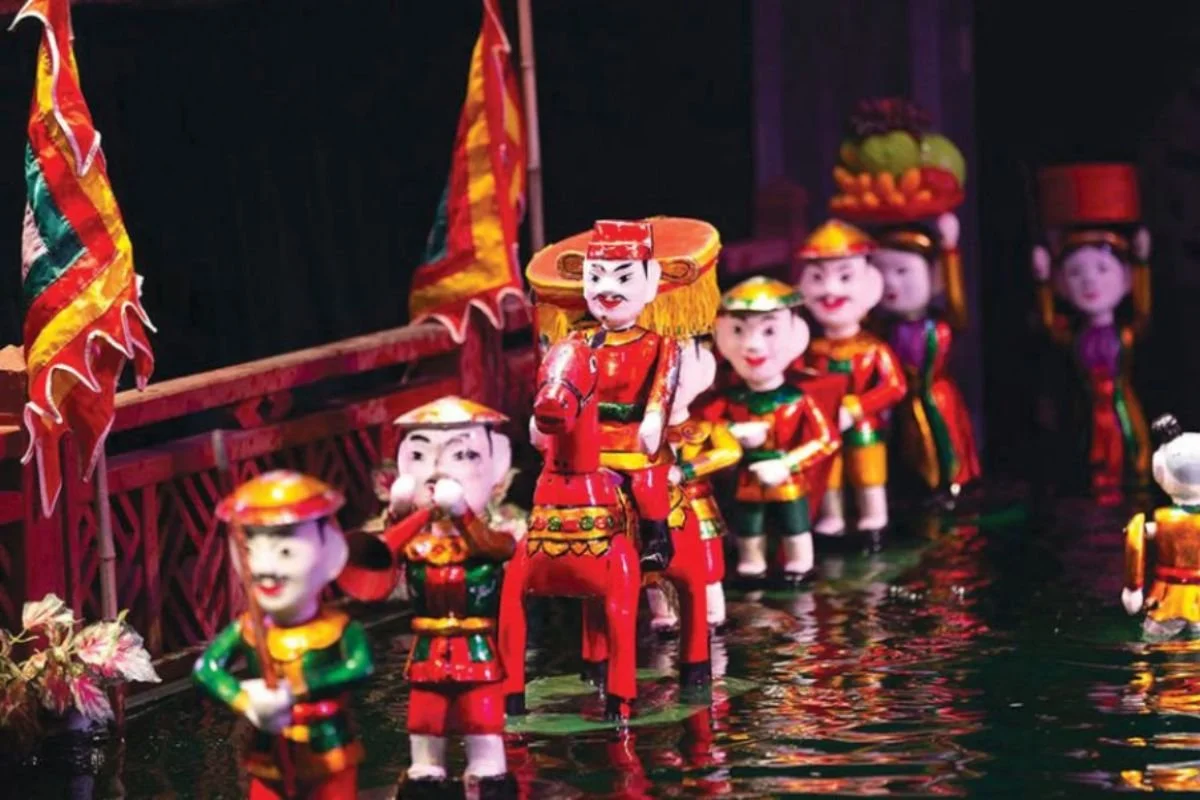
Water Puppet Show
Where to Dine
Hanoi’s dining pleasure comes from contrast. Reserve one refined Vietnamese tasting menu - Gia or Tam Vi are prominent Michelin-recognized choices - and one elegant hotel dinner. Balance these with excellent bun cha, pho, cha ca or banh cuon in modest surroundings. For cocktails, choose a thoughtful bar hidden behind an unassuming entrance; for afternoon tea, the city’s heritage hotels provide the most atmospheric setting.
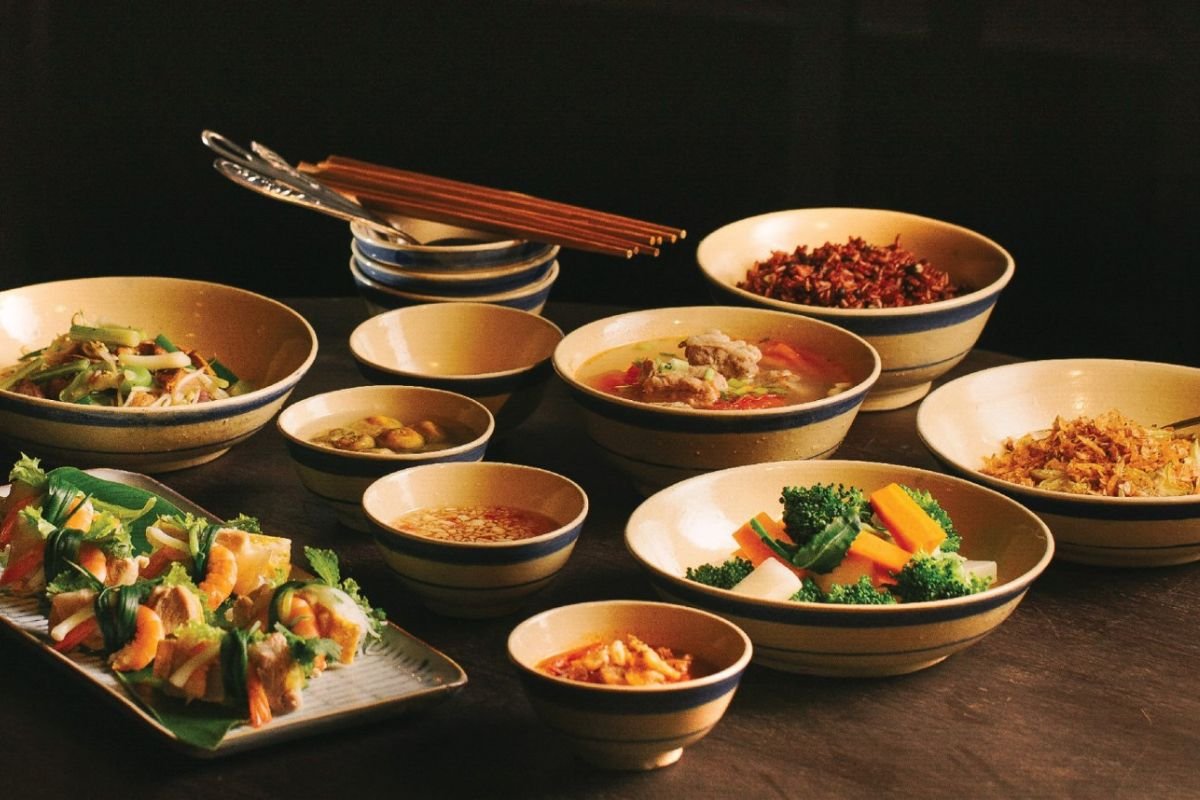
Tam Vi Restaurant
Suggested Itinerary
On the first day, settle into the French Quarter, walk around Hoan Kiem Lake and dine close to the hotel. Devote the second day to a private culture route through the Temple of Literature, Ba Dinh Square and a carefully selected museum, followed by an unhurried tasting dinner. On the third day, explore the Old Quarter early, pause for coffee, visit a gallery or a craft studio and end with sunset at West Lake. Add a fourth night when including Bat Trang, Duong Lam or a slower spa afternoon.
Arrival and Onward Travel
Noi Bai International Airport is normally 35 to 50 minutes from central Hanoi, although traffic can extend the journey. A pre-arranged private transfer is worth the modest premium. Hanoi connects naturally to Ninh Binh by road, Ha Long Bay by expressway and the Northern Highlands by road, rail or domestic air combined with transfers.
Local Etiquette
Cross roads steadily rather than suddenly, and let motorbikes anticipate your path. Dress respectfully at temples and memorial sites. Ask before photographing vendors, and avoid criticizing street food because the setting looks simple. Hanoi values courtesy expressed quietly; a calm tone and a little patience achieve more than urgency.
Final Word
Hanoi is a city best experienced slowly. Beyond its grand boulevards and historic landmarks lies a timeless rhythm of hidden cafés, elegant architecture and centuries of waiting to be discovered. I hope this guide inspires you to experience the capital with curiosity, appreciation and a little extra time to wander.
